
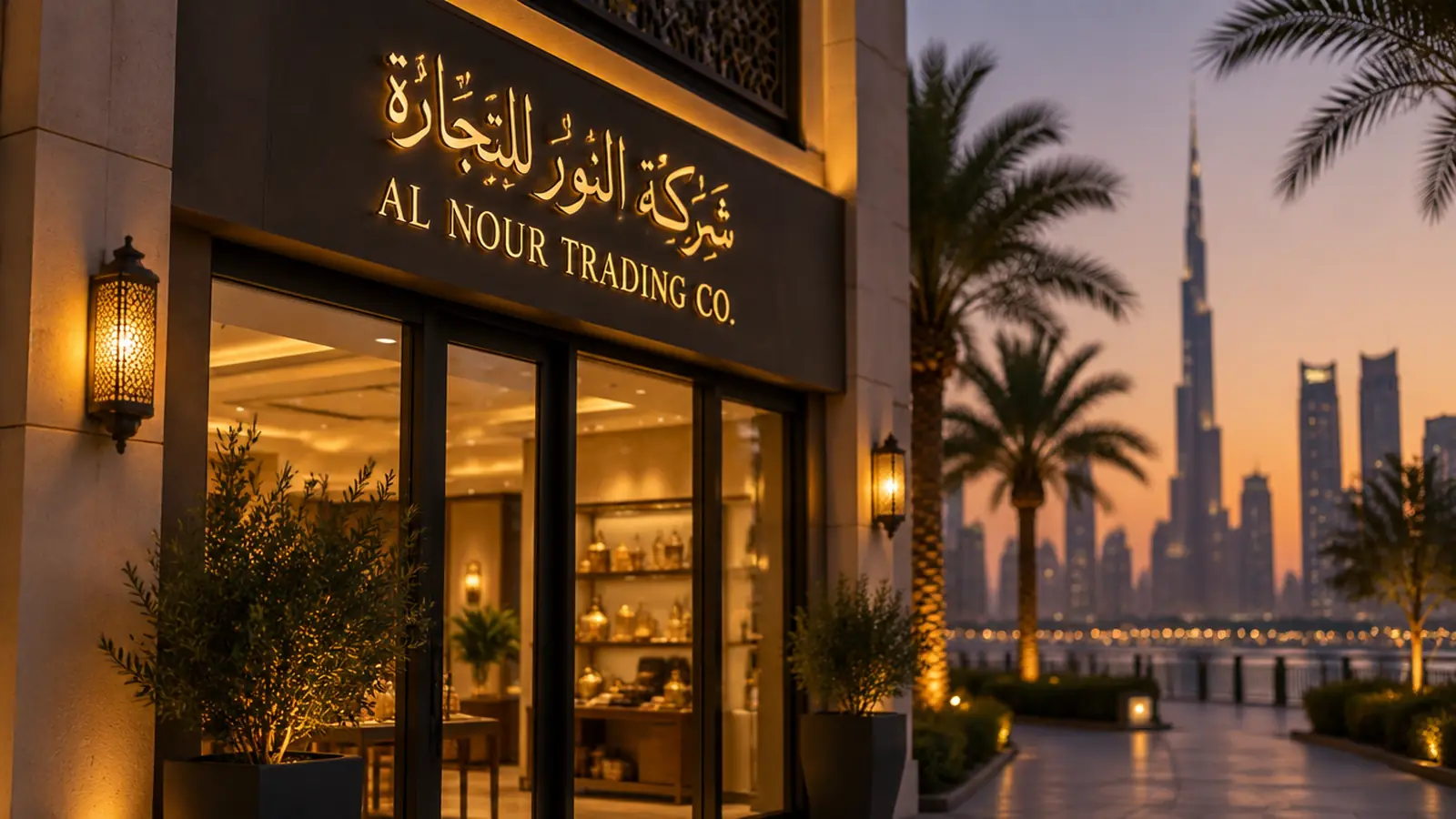
Short answerWe found no rule that every business website in the UAE must be in Arabic. Consumer protection rules require invoices in Arabic and, for e-commerce businesses, product information in Arabic. For search, Google wants each language on its own address, linked with hreflang tags that point to each other. Add Arabic if your customers search or read in Arabic, and write it as a real translation, not a copy of the English page.
A family clinic in Sharjah has an English website. Half of the families who come through the door prefer Arabic, and they search in Arabic. The clinic's website never appears for those searches, because it contains no Arabic at all.
What the rules say about Arabic
The UAE Government portal says invoices under the consumer protection law must be in Arabic, and the supplier may add other languages. It adds that e-commerce businesses must provide product information in Arabic. That covers invoices and online shops. We did not find a general rule that every business website must be bilingual, so check with your licensing authority if you are unsure about your activity. Regulated fields such as health have their own rules for advertising and patient information.
When Arabic pays for itself
- Your customers search in Arabic. If they type their questions in Arabic, an English page cannot answer them.
- You sell to consumers online. The product information has to be available in Arabic.
- Trust matters. Clinics, schools, legal and financial services often reassure people by speaking their language.
- You work with government or large local companies. Many buyers expect an Arabic version.
For a restaurant on a street of tourists, a clear English menu may matter more. Check which language your customers use before you decide, for example by looking at the language of your WhatsApp messages.
How Google wants two languages set up
Google's guidance for sites in several languages is specific.
- Each language gets its own address, for example a folder such as /ar/ or a separate subdomain. Do not put both languages on one address.
- Mark the versions with hreflang. Each version must list itself and all other versions, and the links must point to each other. If two pages do not both point to each other, Google ignores the tags.
- Use full addresses, including https://, in the hreflang tags.
- Use language codes correctly. A language code such as ar or en, optionally followed by a region code such as ar-AE. A country code on its own is invalid.
- Provide a fallback. For visitors whose language you do not support, hreflang x-default can point to a page that lets them choose.
Google also says that it detects the language of a page itself and does not rely on hreflang or the lang attribute for that. Localized pages count as duplicates only if their main content stays untranslated.
Writing and design
- Translate with care. A page that reads like a machine translation loses the trust it was meant to win. Have a native speaker write or check it.
- Design for right to left. Arabic reads from right to left. Menus, buttons, forms and images that point in a direction must be mirrored, not just translated.
- Keep the facts identical. Prices, hours and the address must match in both languages, or customers will find the difference.
- Both versions need a WhatsApp button and a way to find the other language from every page.
What it means for your plan
At MM² an Arabic version is part of the Premium plan. For other plans, Arabic can be added and is priced on request. See what a website costs in Dubai.
Decide this week
- Look at the last twenty WhatsApp messages from customers and count the languages.
- Search for your service in Arabic and see who appears.
- If you sell online, list the products that still lack Arabic product information.
- If you add Arabic, plan one address per language and hreflang tags from the start.
Questions
Does my business website in the UAE have to be in Arabic?
We found no general rule that every business website must be bilingual. The UAE Government portal says invoices must be in Arabic and that e-commerce businesses must provide product information in Arabic. Ask your licensing authority about your activity.
How do I set up an Arabic and English website for Google?
Give each language its own address, add hreflang tags so that each version lists itself and all the others, use full addresses and correct language codes, and add an x-default fallback page.
Can I use machine translation for the Arabic version?
Google treats localized pages as duplicates only when the main content stays untranslated. For customers, a page that reads like a machine translation costs trust. Have a native speaker write or check it.
Should the Arabic version be on the same address as the English one?
No. Google's guidance is that each localized version should have its own address, for example a folder or subdomain per language.
Do I need Arabic for SEO in Dubai?
If your customers search in Arabic, an Arabic page can appear for searches that an English page cannot answer. If they search in English, it matters less.